
If you feel a sudden sharp pain while drinking hot tea, eating ice cream, or even brushing your teeth, you’re not alone. Tooth sensitivity is a common dental concern affecting people of all ages. The good news is that with the right tooth sensitivity treatment, long-term relief is absolutely possible.
At Sai Yashoda Dental Care, we help patients identify the root cause of sensitivity and provide customized solutions—not just temporary relief.
Why Tooth Sensitivity Is Becoming Increasingly Common
Modern lifestyles play a big role in rising tooth sensitivity. Increased consumption of acidic foods, aggressive brushing habits, stress-related teeth grinding, and gum problems are all contributing factors. Many people ignore early signs, assuming sensitivity is normal—when it often signals an underlying dental issue.
What Is Tooth Sensitivity?
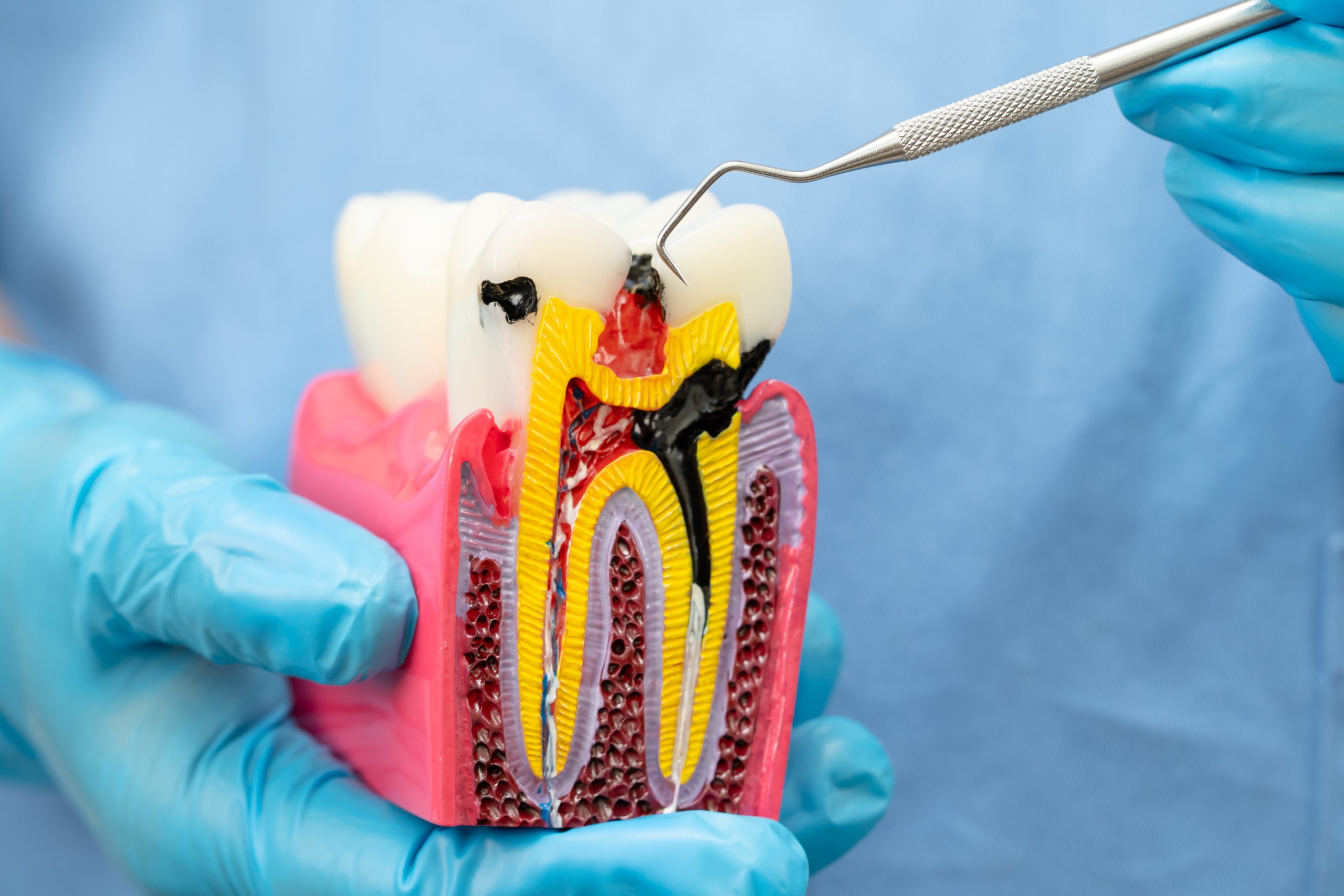
Tooth sensitivity occurs when the protective enamel layer wears down or gums recede, exposing the underlying dentin. Dentin contains microscopic tubules that connect to the tooth’s nerve. When exposed, external stimuli like heat or cold directly trigger nerve pain—this is known as dentin sensitivity.
Common Causes of Sensitive Teeth
Enamel Erosion
Acidic foods, soft drinks, and improper brushing techniques can gradually erode enamel, making teeth more vulnerable.
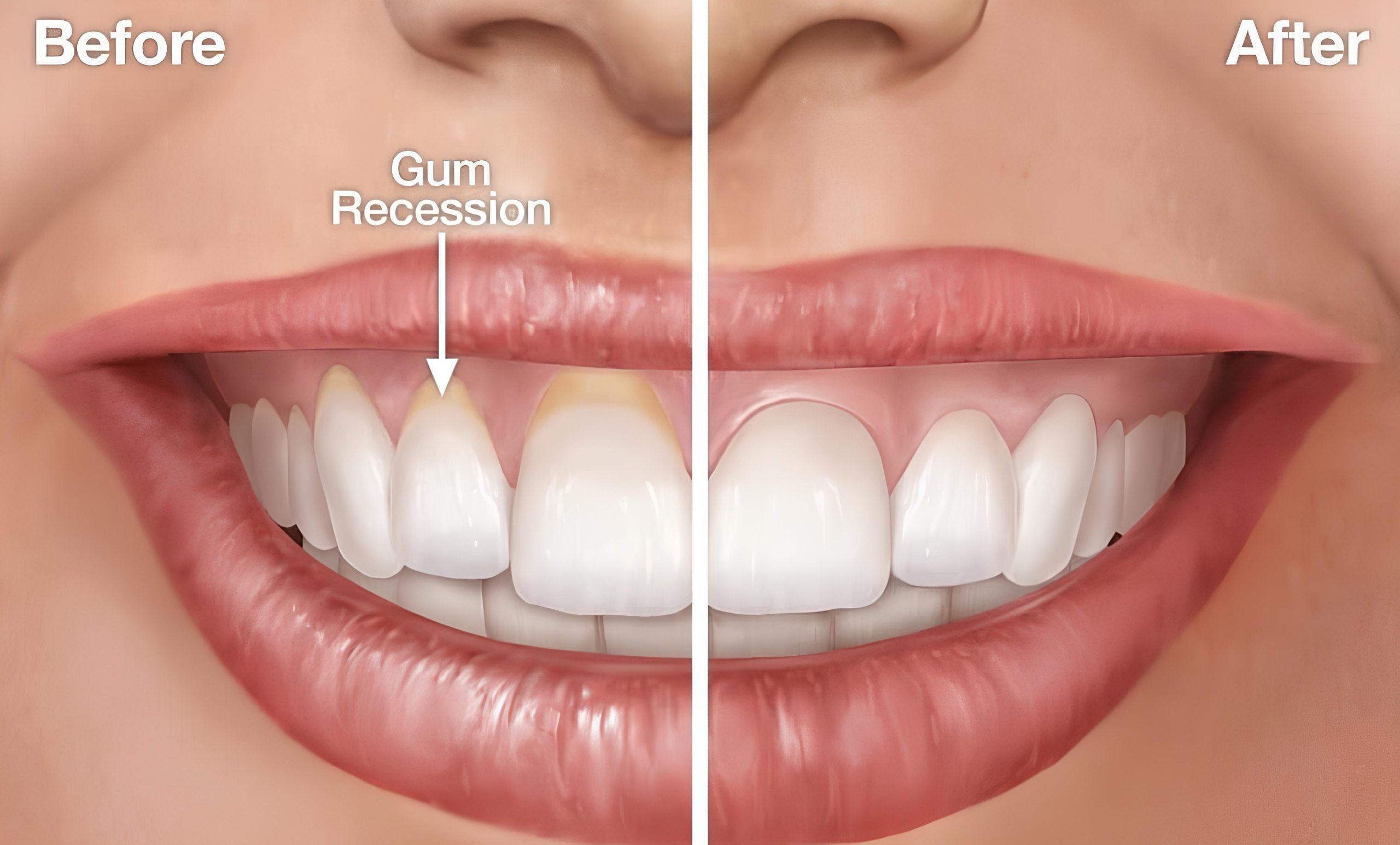
Gum Recession
Receding gums expose tooth roots, which lack enamel and are highly sensitive to temperature changes.
Tooth Decay & Cracks
Cavities, worn fillings, or cracked teeth allow bacteria and temperature changes to reach the nerve, causing sharp pain.
Teeth Grinding (Bruxism)
Chronic grinding or clenching wears down enamel and increases pressure on teeth, leading to sensitivity and discomfort.
These are some of the most common sensitive teeth causes seen in dental practice.
Triggers That Worsen Sensitivity
Sensitivity often intensifies when teeth are exposed to:
- Hot or cold beverages
- Sweet foods
- Acidic fruits and drinks
- Cold air while breathing
Persistent hot and cold sensitivity should never be ignored, as it may indicate progressing dental damage.
At-Home Relief Tips for Tooth Sensitivity
Mild sensitivity can often be managed with proper daily care:
- Use a desensitizing toothpaste regularly
- Brush gently with a soft-bristled toothbrush
- Avoid aggressive brushing or whitening products
- Reduce acidic and sugary foods
- Maintain consistent oral hygiene
While these steps help control symptoms, they do not replace professional diagnosis.
Professional Treatments for Tooth Sensitivity
When sensitivity persists, professional dental care is essential. Depending on the cause, tooth sensitivity treatment may include:
- Fluoride applications to strengthen enamel
- Dental fillings or bonding for cavities and cracks
- Gum treatments for recession-related sensitivity
- Bite correction or night guards for teeth grinding
Targeted treatment ensures lasting relief instead of temporary masking of pain.
When to See a Dentist
Consult a dentist if you experience:
- Sensitivity lasting more than a few days
- Pain while biting or chewing
- Visible cracks or discoloration
- Gum bleeding or recession
- Sudden, severe sensitivity in one tooth
These warning signs may indicate deeper dental problems that require immediate attention.
Protect Your Smile from Sensitivity
Tooth sensitivity is not something you should live with. Early diagnosis and proper care can restore comfort, protect your teeth, and prevent future complications.Don’t ignore tooth sensitivity—get expert diagnosis and relief at Sai Yashoda Dental Care.
📞 Book your dental consultation today and enjoy eating, drinking, and smiling without discomfort.