Healthy gums are the foundation of a healthy smile. While most people focus on their teeth, gum health is just as important—and often overlooked. Gum recession is a common dental condition that can quietly progress if left untreated. The good news is that with timely gum recession treatment, further damage can be prevented and, in many cases, corrected.
At Sai Yashoda Dental Care, we help patients identify early gum problems and provide advanced periodontal care for long-term oral health.
Why Healthy Gums Are as Important as Healthy Teeth
Gums support and protect your teeth, keeping them firmly in place. When gums recede, tooth roots become exposed, increasing the risk of sensitivity, decay, infection, and even tooth loss. Maintaining gum health is essential for preserving both your smile and overall oral function.
What Is Gum Recession?
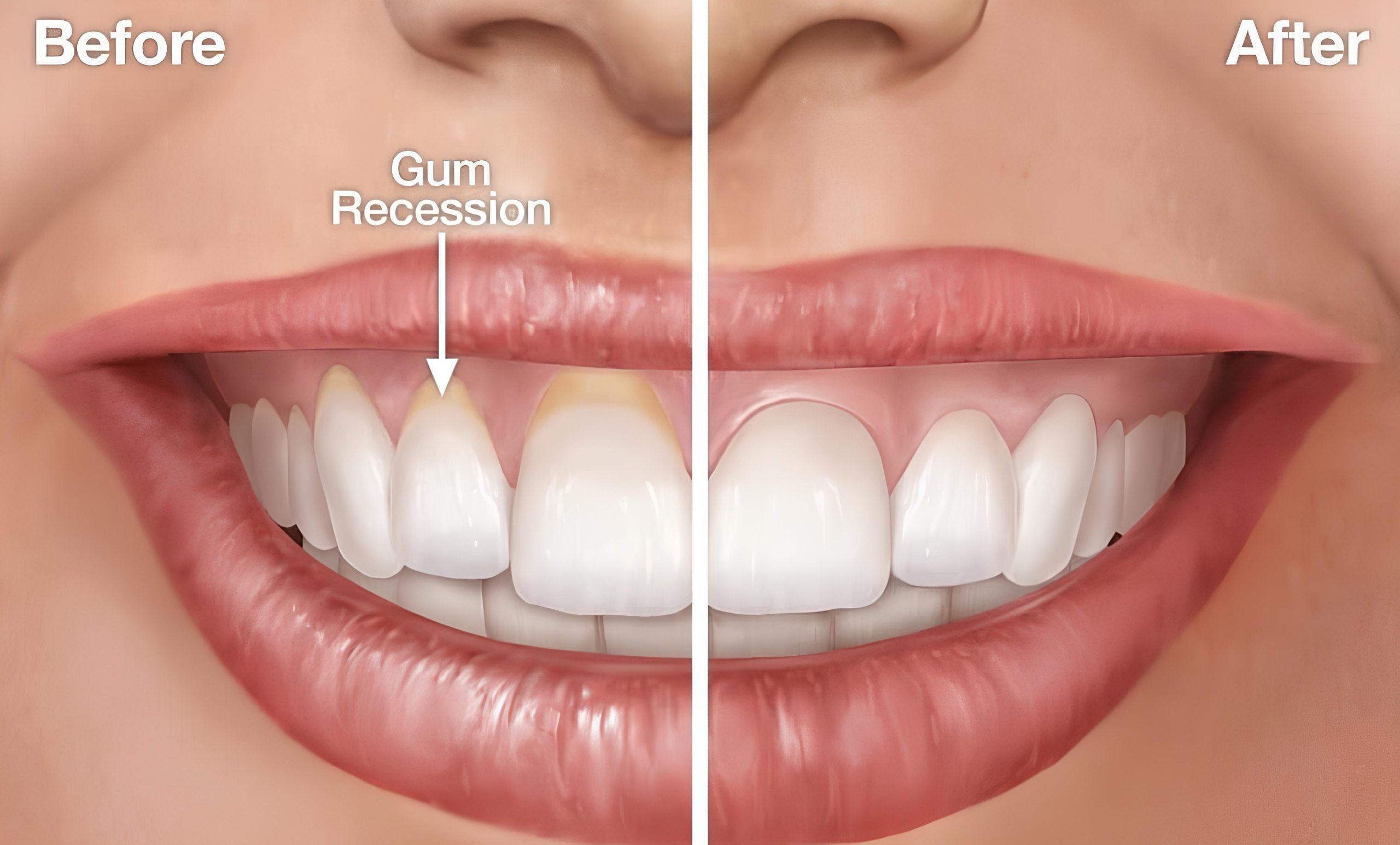
Gum recession occurs when the gum tissue pulls back or wears away from the tooth, exposing more of the tooth or its root. This process is often gradual and painless in the early stages, which is why many people don’t realize it’s happening until noticeable damage has occurred.
Understanding receding gums causes is key to preventing progression.
Main Causes of Receding Gums
Gum Disease
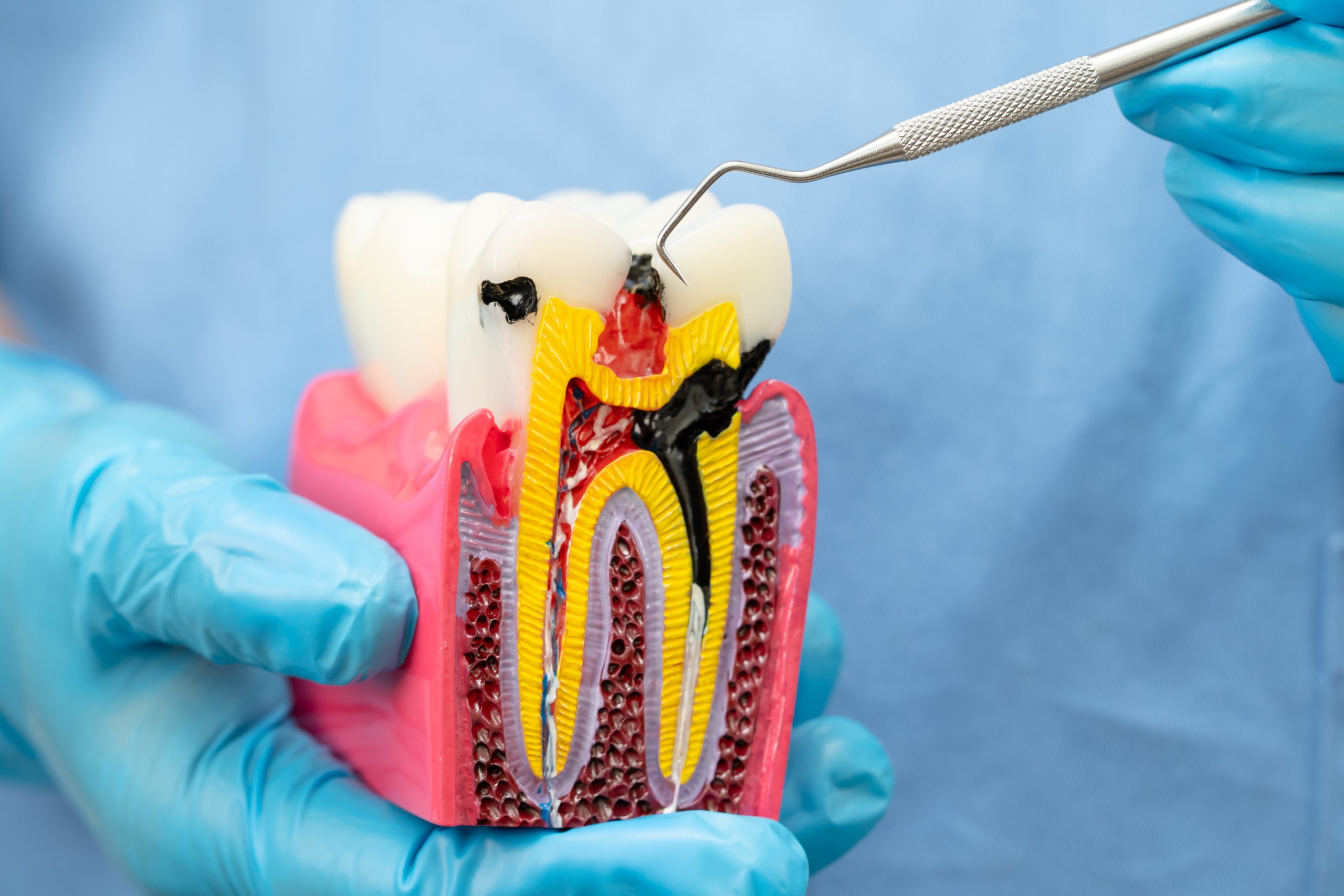
The most common cause of gum recession is periodontal (gum) disease. Bacterial infection damages gum tissue and supporting bone, causing gums to pull away from teeth.
Aggressive Brushing
Brushing too hard or using a hard-bristled toothbrush can wear away gum tissue over time.
Teeth Grinding (Bruxism)
Constant grinding or clenching places excess force on teeth and gums, contributing to tissue breakdown.
Misaligned Teeth
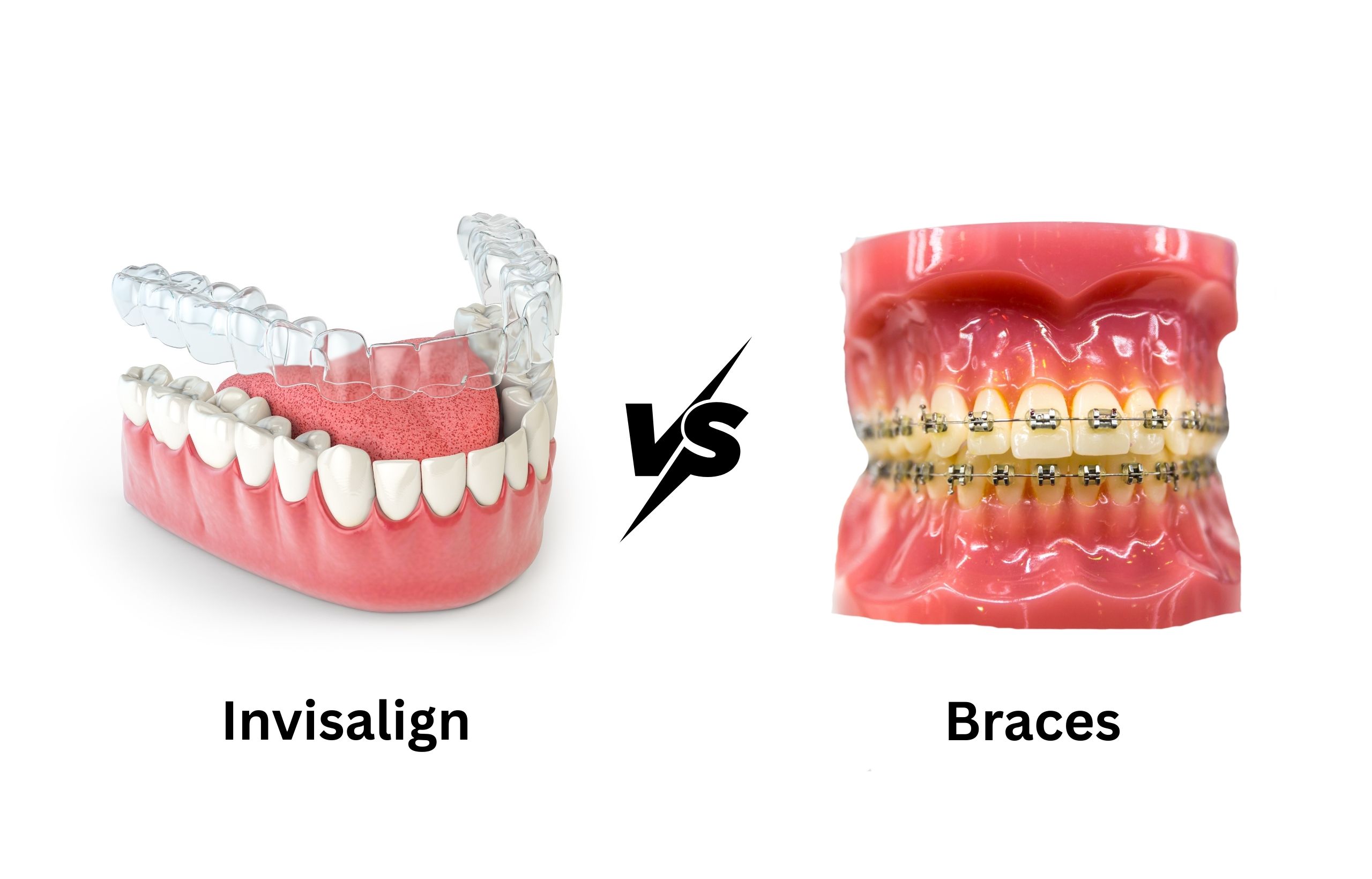
Crowded or improperly aligned teeth can create uneven pressure on gums, making certain areas more prone to recession.
These factors often work together, accelerating gum damage if not addressed early.
Early Signs You Shouldn’t Ignore
Gum recession often starts subtly. Watch out for:
- Increased tooth sensitivity
- Teeth appearing longer than before
- Visible tooth roots
- Bleeding or inflamed gums
- Discomfort while brushing
These may also be early gum disease symptoms and should be evaluated by a dentist promptly.
How Gum Recession Is Treated
Treatment depends on the severity and underlying cause of recession.
Deep Cleaning (Scaling & Root Planing)
For mild to moderate cases, deep cleaning removes plaque and bacteria from below the gum line, allowing gums to heal and reattach.
Surgical & Non-Surgical Options
Advanced periodontal treatment may be required when deeper tissue damage is present. This helps stop infection and prevent further recession.
Gum Grafting Procedures
In more severe cases, gum grafting is used to restore lost tissue and protect exposed tooth roots. This procedure improves both function and appearance.
Early intervention greatly improves treatment outcomes and comfort.
Can Gum Recession Be Prevented?
While not all cases are preventable, good habits significantly reduce risk:
- Brush gently with a soft-bristled toothbrush
- Maintain daily flossing
- Avoid tobacco use
- Manage teeth grinding with night guards
- Schedule regular dental check-ups
Consistent oral care and professional monitoring are the best defenses against gum recession.
Protect Your Gums for a Healthier Smile
Gum recession doesn’t reverse on its own—but timely care can stop its progression and restore gum health. Ignoring early symptoms may lead to serious complications, including tooth loss.
Protect your gums early—book a periodontal evaluation at Sai Yashoda Dental Care.
📞 Schedule your appointment today and take a proactive step toward lifelong oral health.