
Bad breath is more common than most people realize. Many individuals experience it occasionally, while others struggle with persistent odor that affects confidence, social interactions, and overall oral health. The good news is that with the right bad breath treatment and proper dental care, halitosis can be effectively managed and prevented.
At Sai Yashoda Dental Care, we help patients identify the root cause of bad breath and provide long-term solutions—not just temporary fixes.
Why Bad Breath Is More Common Than You Think
Bad breath can occur due to simple reasons like skipping brushing or dehydration, but in many cases, it is linked to underlying oral health problems. Since the mouth hosts millions of bacteria, even small lapses in oral care can lead to unpleasant odors. Understanding the cause is the first step toward effective prevention.
What Is Halitosis?
Halitosis is the medical term for chronic or persistent bad breath.
- Temporary bad breath may occur after eating certain foods, waking up in the morning, or due to dry mouth.
- Chronic halitosis persists despite brushing and often signals deeper oral or dental issues.
Knowing the difference helps determine whether home care is enough or professional dental treatment is required.
Common Causes of Bad Breath
Poor Oral Hygiene
Inadequate brushing and flossing allow food particles and bacteria to remain in the mouth, producing foul-smelling sulfur compounds.
Gum Disease
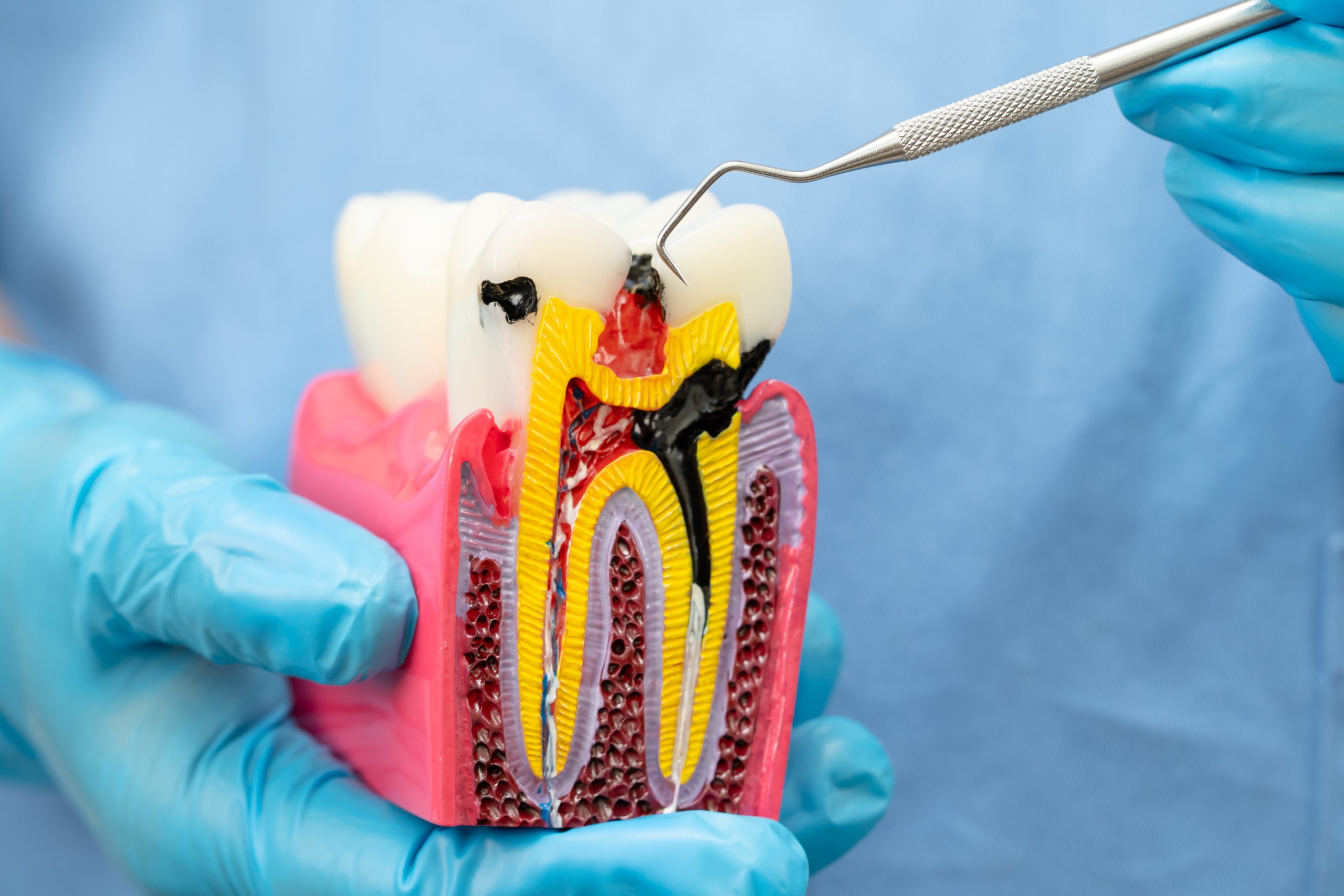
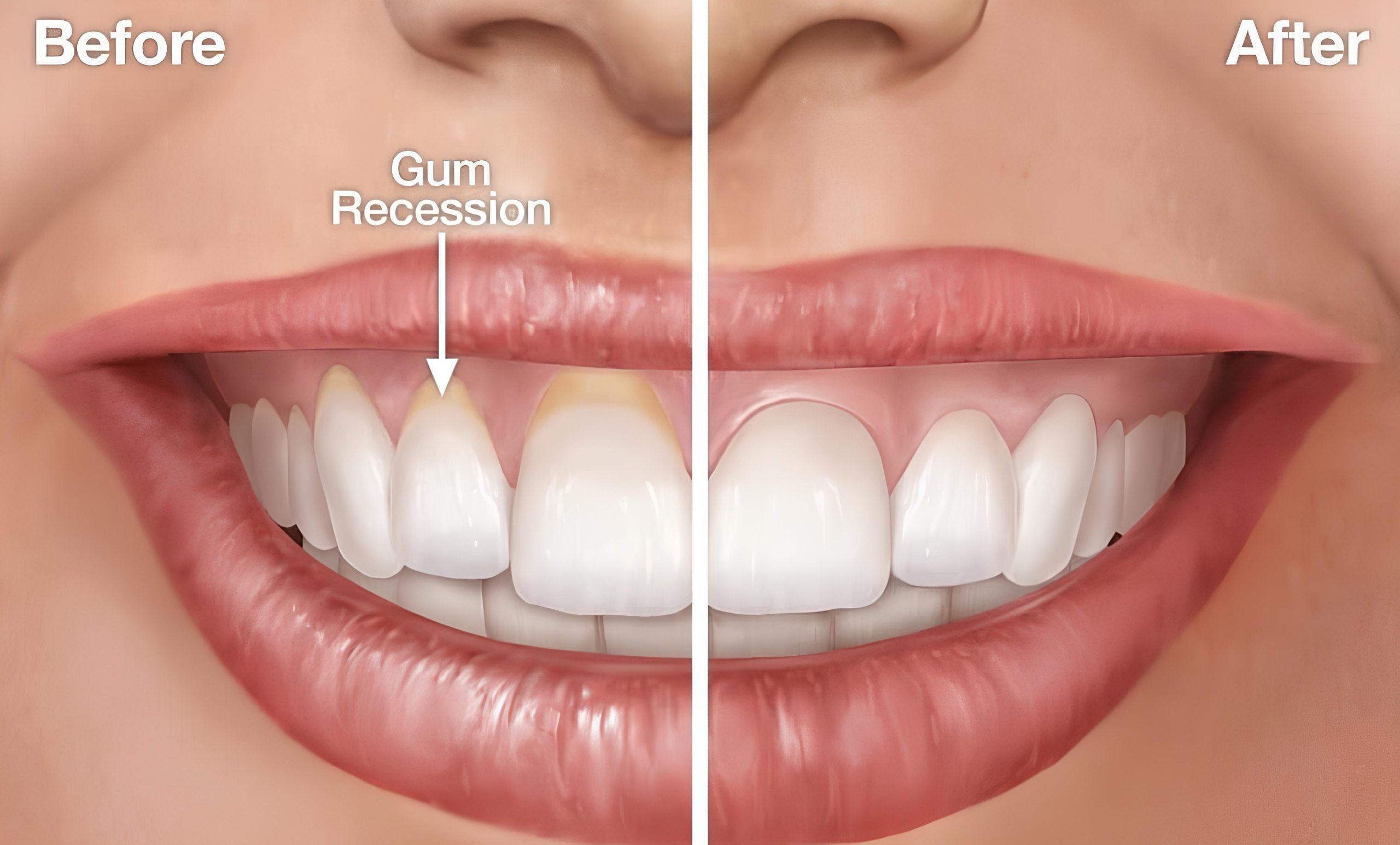
One of the most overlooked halitosis causes is gum disease. Infected gums trap bacteria under the gum line, leading to persistent odor and inflammation.
Tongue Bacteria
The tongue’s rough surface can harbor odor-causing bacteria, especially if tongue cleaning is ignored.
Dry Mouth & Diet
Saliva helps cleanse the mouth. Dry mouth caused by dehydration, medications, or mouth breathing increases bad breath. Foods like onions, garlic, and excessive coffee can also worsen odor.
Home Care Tips to Prevent Bad Breath
Practicing good daily habits is essential for learning how to prevent bad breath effectively.
- Brush twice daily using fluoride toothpaste
- Floss daily to remove trapped food particles
- Clean your tongue using a tongue scraper
- Stay hydrated to prevent dry mouth
- Use alcohol-free mouthwash if recommended
These simple oral hygiene tips significantly reduce bacteria buildup and odor.
Foods & Habits That Worsen Bad Breath
Certain foods and habits can aggravate halitosis, including:
- Tobacco use (smoking or chewing)
- Excessive coffee and alcohol
- Sugary snacks and acidic foods
- Skipping meals, leading to dry mouth
Limiting these habits plays a key role in long-term breath freshness.
When Bad Breath Signals a Dental Problem
Bad breath should not be ignored if it comes with other warning signs. Seek dental care if you notice:
- Bleeding gums
- Swollen or painful gums
- Loose teeth
- Persistent bad taste
- White coating on tongue
These may be early gum disease symptoms or signs of infection requiring professional treatment.
Professional Treatments for Halitosis
When home care isn’t enough, professional dental care becomes essential.
At Sai Yashoda Dental Care, bad breath treatment may include:
- Professional dental cleaning to remove plaque and tartar
- Deep gum cleaning for gum disease
- Treatment of cavities or infections
- Guidance on personalized oral hygiene routines
Treating the root cause ensures long-lasting results, not temporary masking of odor.
Fresh Breath Starts with Healthy Gums and Teeth
Persistent bad breath is not something you should live with. With proper diagnosis and expert care, halitosis can be treated effectively and permanently.
Struggling with persistent bad breath? Book a dental check-up at Sai Yashoda Dental Care today.
📞 Schedule your appointment and take the first step toward fresher breath and better oral health.