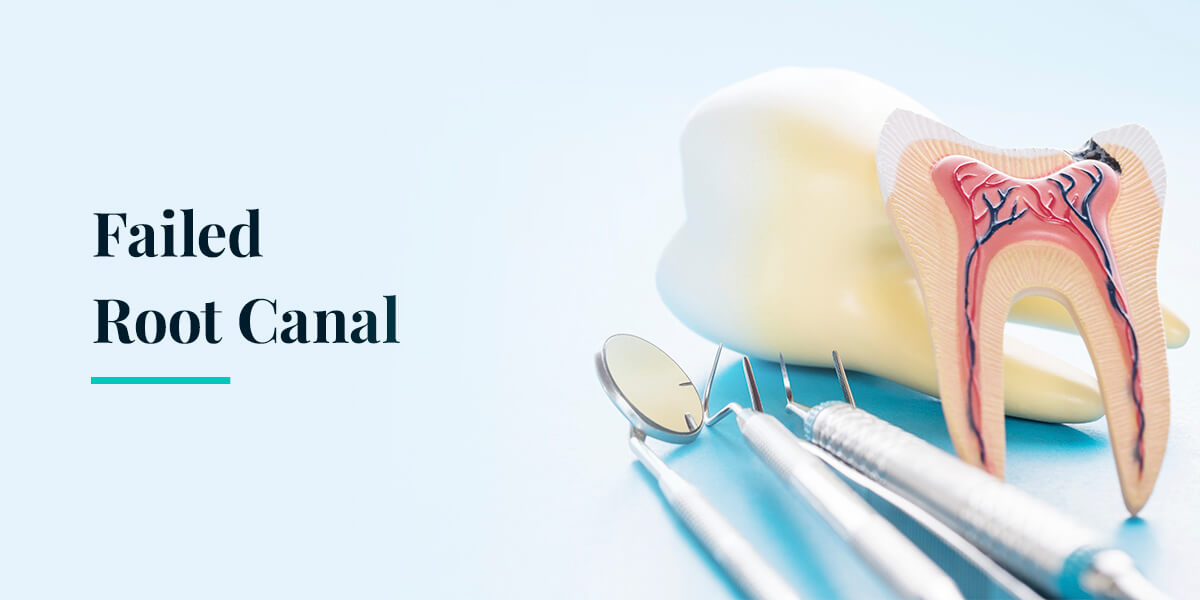
Root canal treatment is one of the most successful procedures in modern dentistry. In fact, most treated teeth can last a lifetime with proper care. However, in rare cases, a root canal failure can occur, leading to recurring pain or infection.
Understanding why this happens and recognizing the warning signs early can help you save your tooth and avoid more complex treatments.
What Is a Root Canal?
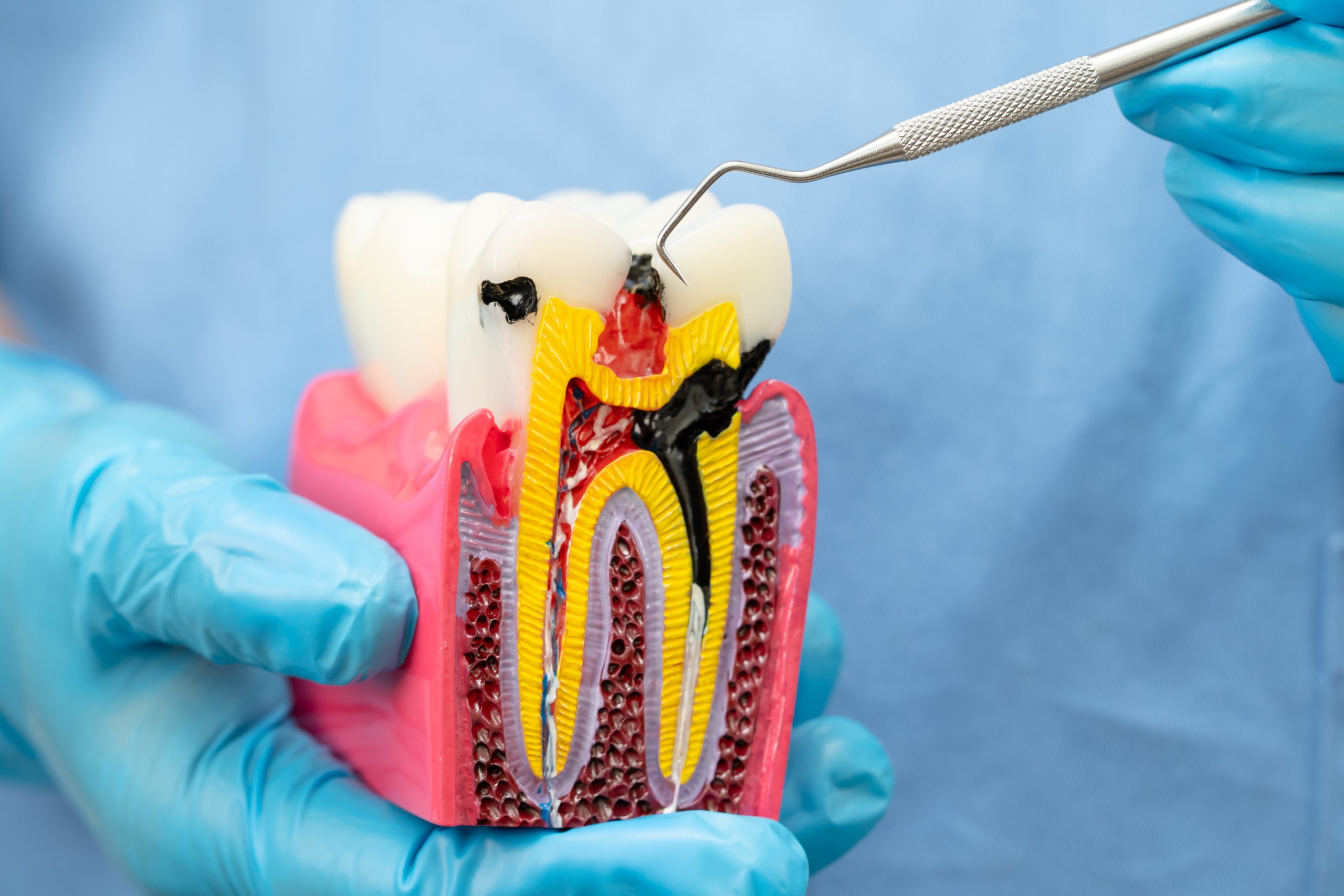
A root canal is an endodontic treatment designed to remove infected or inflamed pulp from inside a tooth. When decay, cracks, or trauma reach the tooth’s inner nerve tissue, it can cause severe pain and infection.
During the procedure:
- The infected pulp is carefully removed
- The canals are cleaned and disinfected
- The space is sealed with a filling material
- A crown is usually placed to protect the tooth
This process eliminates infection and preserves the natural tooth structure.
Why Do Root Canals Fail?
Although root canal treatments have a high success rate, certain factors may lead to tooth infection after root canal treatment.
1. Missed Canals
Some teeth have complex canal systems. If an additional canal is not detected and cleaned during the procedure, bacteria may remain and cause infection later.
2. Delayed Crown Placement
After a root canal, the tooth becomes more brittle. If a protective crown is not placed promptly, the tooth can crack or allow bacteria to re-enter.
3. Cracked Tooth
Even after treatment, a vertical crack in the tooth can allow bacteria to seep inside, leading to reinfection.
4. New Decay
Poor oral hygiene can lead to new cavities around the treated tooth. If bacteria penetrate the sealed area, it may result in a failed root canal.
5. Persistent Infection
In some cases, the infection may not completely resolve due to resistant bacteria or complex anatomy, leading to ongoing inflammation.
Signs of Root Canal Failure
Recognizing failed root canal symptoms early is crucial. Watch for the following:
Pain While Chewing
Persistent or returning pain when biting down may indicate reinfection or inflammation.
Swelling or Pus
Swelling in the gums near the treated tooth or discharge of pus can signal an abscess.
Sensitivity
Unusual sensitivity to pressure or temperature after healing should not be ignored.
Recurring Infection
If symptoms improve and then return weeks or months later, it could mean the infection has resurfaced.
Some patients may also notice a small pimple-like bump on the gums (fistula), which drains infection.
What Is Root Canal Retreatment?
If a root canal failure occurs, the good news is that the tooth can often be saved with root canal retreatment.
During retreatment:
- The existing crown or filling is removed
- The canals are reopened
- Any remaining infection is thoroughly cleaned
- The canals are disinfected and reshaped
- The tooth is resealed and restored
This process gives the tooth a second chance at healing. In complex cases, a minor surgical procedure called apicoectomy may be recommended.
With proper care, retreatment can restore function and eliminate pain effectively.
When Should You See a Dentist?
If you experience any signs of tooth infection after root canal treatment, it’s important not to delay evaluation.
Seek immediate dental care if you notice:
- Persistent pain lasting more than a few days
- Swelling in the face or gums
- Fever associated with tooth pain
- Difficulty chewing
Early diagnosis increases the chances of saving the tooth and prevents the infection from spreading to surrounding tissues.
Can Root Canal Failure Be Prevented?
While not all failures are preventable, you can reduce risks by:
- Placing the recommended crown promptly
- Maintaining excellent oral hygiene
- Attending regular dental check-ups
- Avoiding chewing hard objects
Routine follow-ups allow dentists to detect issues before they become serious.
Protect Your Smile
A root canal is a highly reliable treatment, but like any medical procedure, complications can occasionally occur. Understanding the causes and recognizing failed root canal symptoms early can help prevent tooth loss.
If you are experiencing pain or discomfort after a previous root canal, don’t ignore it.
Experiencing pain after a root canal? Visit Sai Yashoda Dental Care for expert evaluation and retreatment options.
Early intervention can make all the difference in saving your natural smile.